


The Unsung Heroes: Shinning the light on Caregivers and their incredible impact in society.
- Feb 14
- 4 min read
Caregivers hold a unique place in our lives and communities. They provide essential support to those who require assistance with daily tasks, medical needs, or emotional support. Despite their vital role, caregivers often go unnoticed, unappreciated, underpaid and sometimes unpaid. This post shines the light on the incredible impact of caregivers and why we must accord them the dignity, honour, recognition and respect that they deserve.
The Role of Caregivers in Society
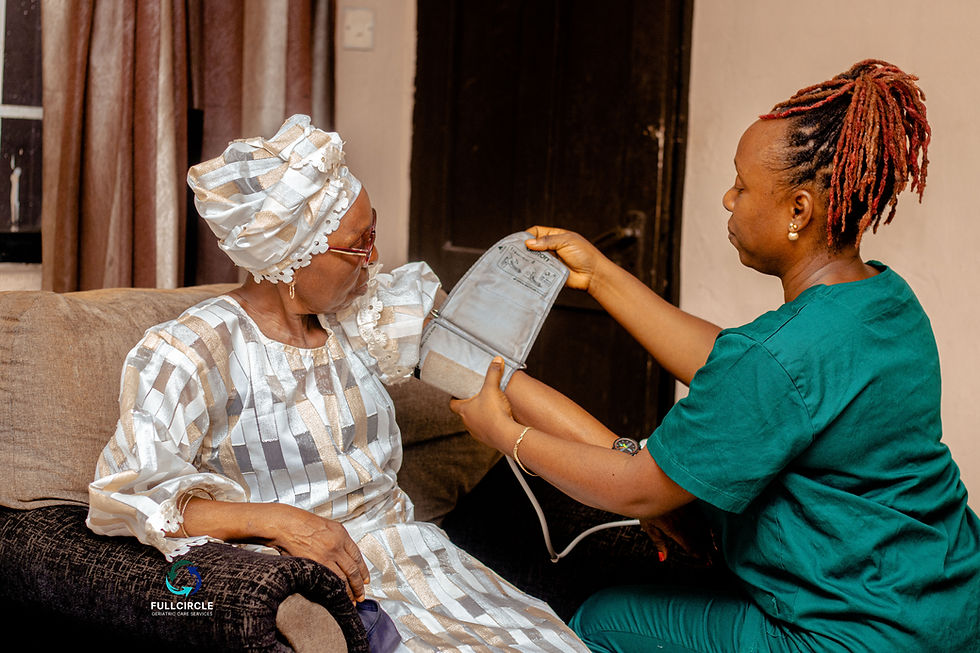
The role of caregivers cannot be over emphasized. Caregivers are family members, loved ones or professionals who dedicate their lives to supporting people of all ages who are unable to carry out activities of daily living due to illness, disability or age related factors. Their work goes beyond physical assistance; it includes emotional support, encouragement, companionship, and advocacy. Every human will experience a caregiver at least two times throughout the lifecourse; At birth, at death and possibly multiple times in-between.
Caregivers support their care recepients with tasks such as:
Preparing meals and managing medications
Assisting with personal hygiene and mobility
Coordinating medical appointments and treatments
Providing companionship and emotional support during difficult times
These responsibilities require patience, skill, and dedication. Many caregivers balance these duties alongside their own lives, jobs and family demands thus making their commitment even more remarkable.
The Emotional and Physical Demands on Caregivers
Caring for someone can be physically exhausting and emotionally draining. Caregivers often face stress, anxiety, isolation and burnout. The constant attention needed by those they care for leaves little time for self-care. Studies show that caregivers are at higher risk for health problems such as depression and chronic illnesses.
Despite these challenges, caregivers continue to provide compassionate care. Their resilience and strength are essential to the well-being of those they support. Recognising these demands helps us understand the sacrifices caregivers make every day.
The true cost of Caregiving.
The true cost of caregiving lies not just in the monetary exchange which is only available to professional caregivers but in the opportunity cost, the stress and burnout experienced by those who offer themselves as caregivers.
Consider Ada, who cares for her mother with Alzheimer’s disease. Ada moved her mother in to live with her and sacrificed a high profile banking job for a more subtle teaching job just to be able to meet her aged mother's care needs. She manages her mother’s medications, ensures safety at home, and provides comfort during moments of confusion. Without Ada’s care, her mother would be stranded and likely need full-time nursing home support.
Or Timothy, a veteran who cares for his wife after a stroke. Timothy sacrificed his active social life and spends most of his time at home by his wife's bedside. He learned how to assist with physical therapy exercises and communicate with healthcare providers. His dedication has improved his wife’s recovery and quality of life.
Or Bimpe who is a professional caregiver who recently took on caregiving as a means to finance her tertiary education. She cares for Pa Joseph a 90year old retired sportsman who is living with Parkinsons disease, severe diabetes and blindness. Although Bimpe works a 2 weeks shift with another caregiver, she realizes that she suffers extreme stress and burnout that has affected her ability to continue her education. She however continues to do the care work because she finds fulfilment in caring for Pa Joseph. Reading the daily newspapers to him and taking him on guided walks around the garden are some of her favourite care tasks.
These examples show how caregivers sacrifice a great deal to improve lives in the most practical and profound ways. Their work often prevents hospitalisation, can delay the need for institutional care, save lives, enhance longevity and improve the overall quality of life of the care recepient.
How Communities Can Support Caregivers
Supporting caregivers benefits everyone. Communities can help by:
Offering respite care to give caregivers breaks
Providing access to support groups and counseling
Creating educational programs to teach caregiving skills
Providing compensation for family caregivers who are mostly unpaid
Encouraging employers to offer better pay and flexible work arrangements
Simple acts of kindness, like checking in or helping with errands, also make a difference. When caregivers feel supported, they can provide better care and maintain their own health.
The Importance of Recognizing Caregivers
Acknowledging caregivers shows respect for their hard work and sacrifices. Recognition can come in many forms:
Public appreciation events and awards
Policies that provide financial assistance or tax benefits for family caregivers
Media stories highlighting caregiver experiences
Recognition helps reduce stigma and isolation. It also encourages more people to consider careers in caregiving which is becoming an increasing need as populations around the world continue to age.
Final Thoughts on the Value of Caregivers
Caregivers are the backbone of compassionate care in every society. Their daily efforts improve lives in ways that often go unseen. By understanding their challenges and contributions, we can better support and celebrate these everyday heroes.
If you know a caregiver, take a moment to thank them. If you are a caregiver, remember that your work matters deeply. Communities thrive when caregivers receive the respect, recognition and support they deserve.
The United nations has set aside every 29th of October as the International day of care and support which recognises and highlights the importance of paid and unpaid care work.
Supporting caregivers is a shared responsibility. Together, we can build a more caring and inclusive society.


Comments